 11
11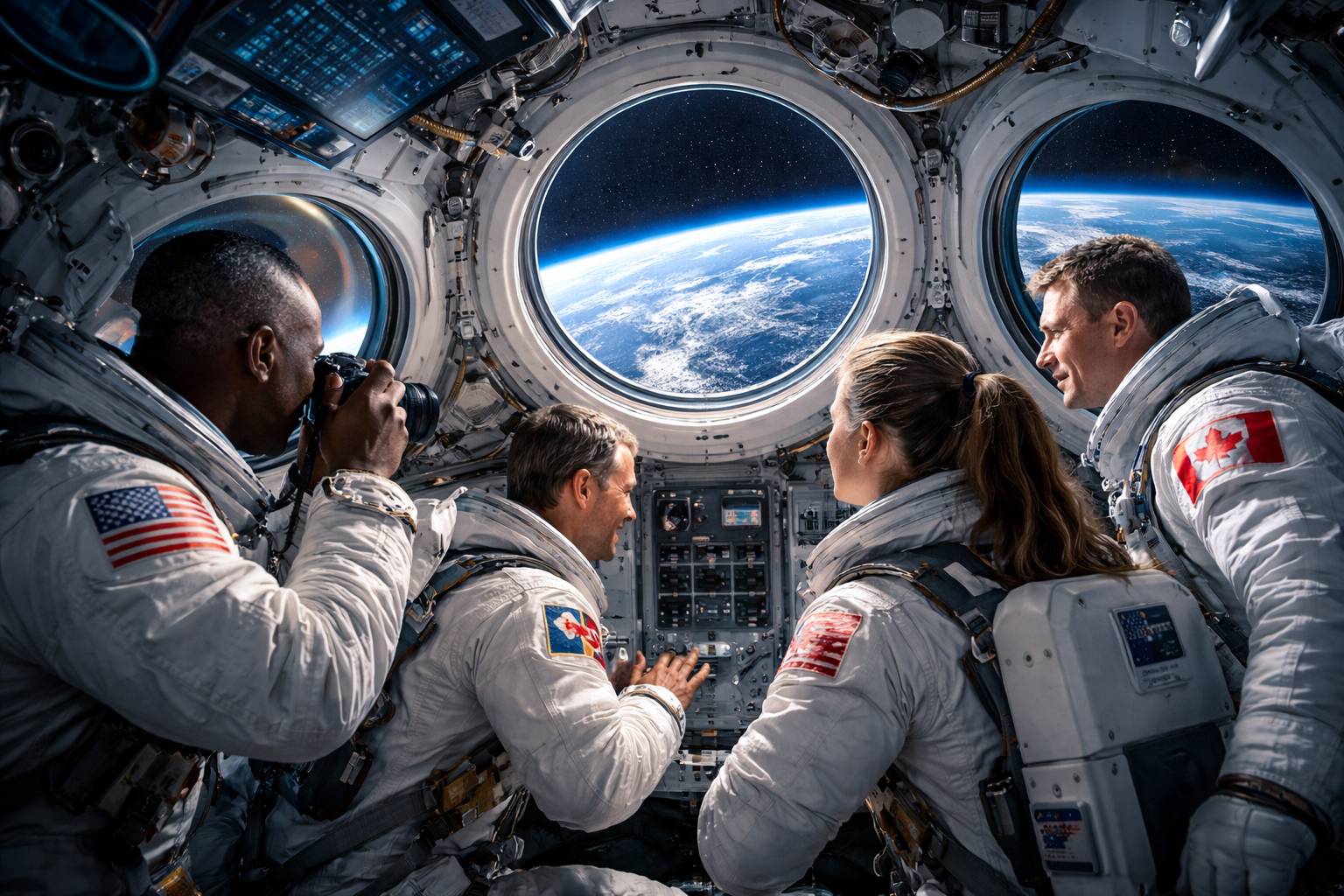
The Artemis II mission is quickly becoming one of the most talked-about global events, and for good reason. As the first crewed journey toward the Moon in over five decades, it represents a defining moment in modern space exploration.
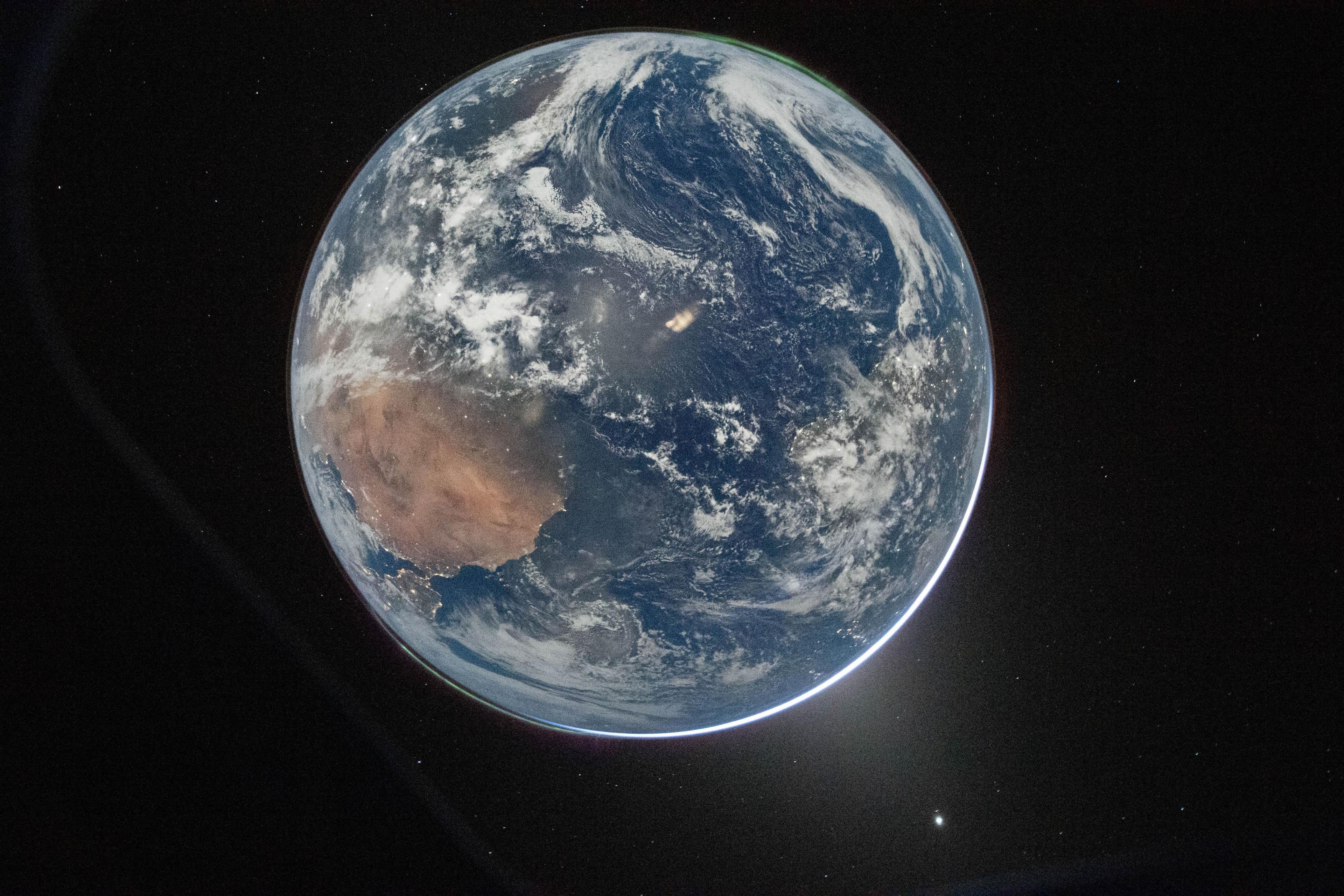
Now, as the astronauts travel deeper into space, they have shared something extraordinary—breathtaking images of Earth from a perspective few humans have ever witnessed. These visuals are not just beautiful; they mark a turning point in humanity’s return to deep space.
Unlike typical missions in low Earth orbit, Artemis II pushes boundaries. The spacecraft has already broken free from Earth’s gravitational hold and is now en route toward the Moon.
At the center of this mission is NASA’s advanced crew capsule, the Orion spacecraft, launched aboard the powerful Space Launch System.
This is not just exploration—it’s validation of the next era of human spaceflight.
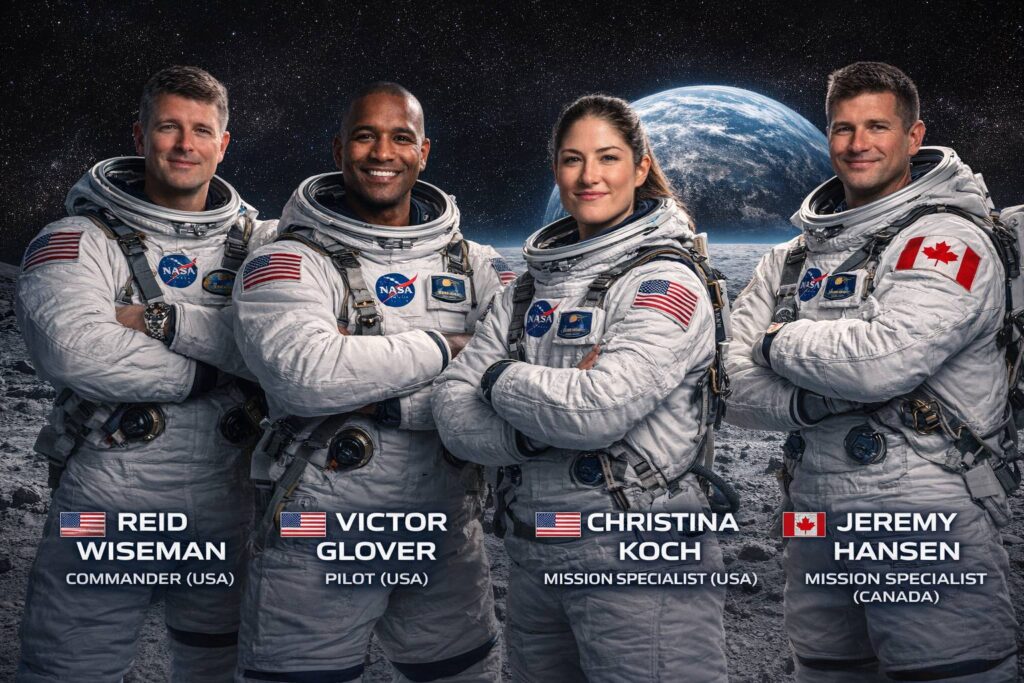
The mission crew represents diversity, experience, and international collaboration:
This lineup reflects NASA’s broader vision: making space exploration inclusive and globally collaborative.
One of the most viral moments from Artemis II so far is the release of high-resolution images of Earth captured from deep space.
Astronauts described the view as “spectacular” and deeply humbling, reinforcing how rare and significant this vantage point truly is.
Although Artemis II will not land on the Moon, its role is critical in the larger Artemis roadmap.
In essence, Artemis II is a full-scale rehearsal for future lunar landings.
The surge in search trends—especially around “NASA Artemis II astronauts Moon”—is driven by several factors:
People are witnessing history in real time after a 50-year gap.
The Earth images are widely shared across media platforms, driving engagement.
This mission directly sets the stage for Artemis III, which aims to land humans on the Moon again.
Artemis II is not an isolated mission—it is part of a broader strategy led by NASA to establish a long-term human presence on the Moon.
This mission signals the beginning of a sustainable lunar economy and potentially, future missions to Mars.