 11
11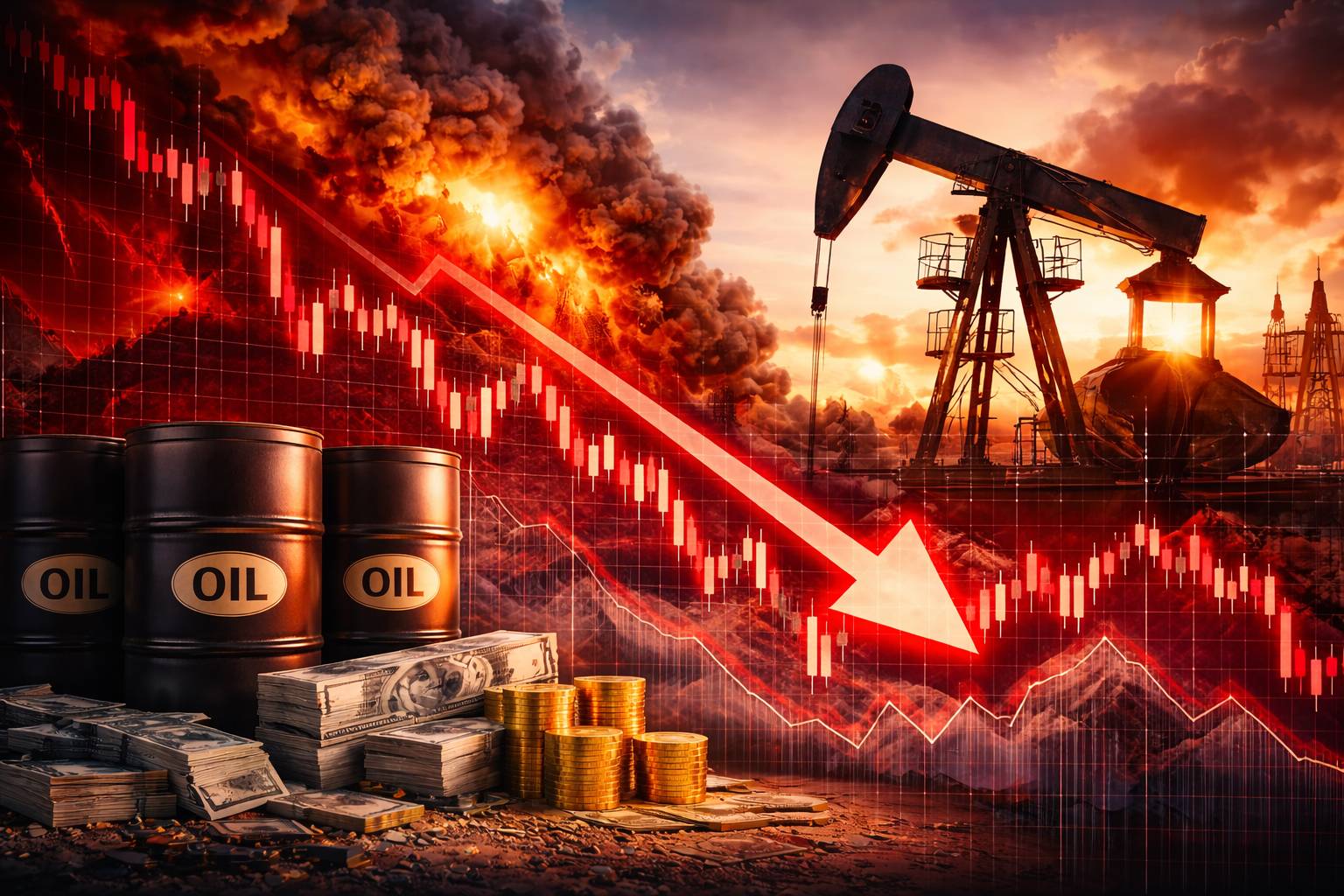
Global financial markets are entering a period of heightened uncertainty as escalating geopolitical tensions—particularly involving Donald Trump and Iran—continue to disrupt investor confidence. The renewed rhetoric around potential military escalation has sent shockwaves across oil markets and equities, signaling a fragile macroeconomic environment.
Recent developments indicate that even the possibility of conflict is enough to drive significant price swings. Investors are increasingly pricing in geopolitical risk, leading to volatility not seen in months.
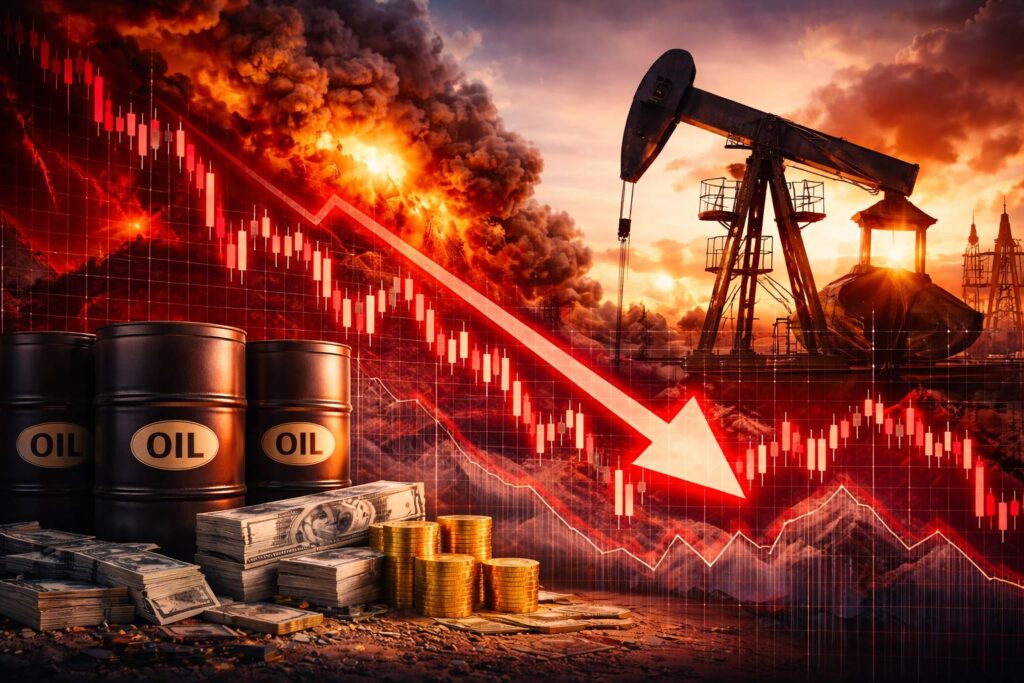
Crude oil has become the focal point of global concern. Prices have surged sharply as traders anticipate potential disruptions in Middle Eastern supply routes, particularly through the Strait of Hormuz—a critical artery for global energy flows.
Market analysts note that:
The situation has created a classic risk premium environment, where oil prices are no longer driven purely by supply-demand fundamentals but by geopolitical calculus.
Equity markets across the U.S., Europe, and Asia have shown mixed reactions. Initial declines were followed by partial recoveries, but underlying sentiment remains cautious.
Key observations include:
Institutional investors are actively rebalancing portfolios to hedge against downside risks, indicating a broader shift toward capital preservation.
Recent trading sessions have revealed unusual patterns, particularly in crude oil futures. Reports suggest that U.S. crude markets exhibited behavior never seen before—highlighting extreme stress and liquidity imbalances.
These anomalies suggest:
This creates a challenging environment for both retail and institutional investors.
The surge in oil prices has direct implications for global inflation. Higher energy costs feed into transportation, manufacturing, and consumer goods, potentially delaying central bank efforts to stabilize prices.
Key risks include:
Central banks may be forced into a more hawkish stance if energy-driven inflation persists.
Looking ahead, market direction will largely depend on geopolitical developments. Investors should closely monitor:
Short-term volatility is expected to remain elevated, with rapid price swings likely to continue.
The current market landscape underscores a critical shift: geopolitical risk is once again a dominant force shaping global financial systems. As tensions escalate, both oil and equity markets are entering a phase where traditional economic indicators take a back seat to political developments.
For investors, agility and risk management will be key. In this environment, the ability to interpret geopolitical signals may prove more valuable than conventional market analysis.
If you want, I can also: